
How Much Does a Full Home Renovation + Design Cost in Washington DC?
If you're planning a full home renovation in DC, you want a real number before you invest hours in consultations.
Here it is: most full home renovations we take on start around $1.5 million and range up to $3 million or more, depending on scope, home size, and how much structural and historic work is involved.
That's a wide range, and it should be. A full renovation of a 2,200 square foot Cleveland Park rowhouse is a different project than a gut renovation and addition on a 5,000 square foot colonial in Chevy Chase. Below, we break down exactly what moves the number within that range, so you can get a realistic sense of where your own project might land before you ever pick up the phone.

The Short Answer
For a full home renovation with Lorla Studio, all-in, meaning design, furnishings and construction together, most projects fall into one of three tiers:
$1.5M+ A full interior renovation of a rowhouse or mid-size single-family home. New systems, new layout, new finishes and furnishings throughout, minimal to moderate structural work, no major addition.
$2.3M+ A full renovation and furnishings with meaningful structural changes, a modest addition, or a larger footprint. Common for Cleveland Park, Capitol Hill, and Georgetown homes where reworking the layout means moving load-bearing walls or extending into unused space.
$3M+ A full renovation with a significant addition, complex historic district requirements, or a larger colonial-style home, often in Chevy Chase, Bethesda, McLean, or similar neighborhoods with larger lot sizes and more architectural detail to work around.
These are starting points, not caps. Larger or more complex homes, particularly those with extensive historic detail or difficult site conditions, can run higher.
What Actually Drives the Cost of a Full Home Renovation
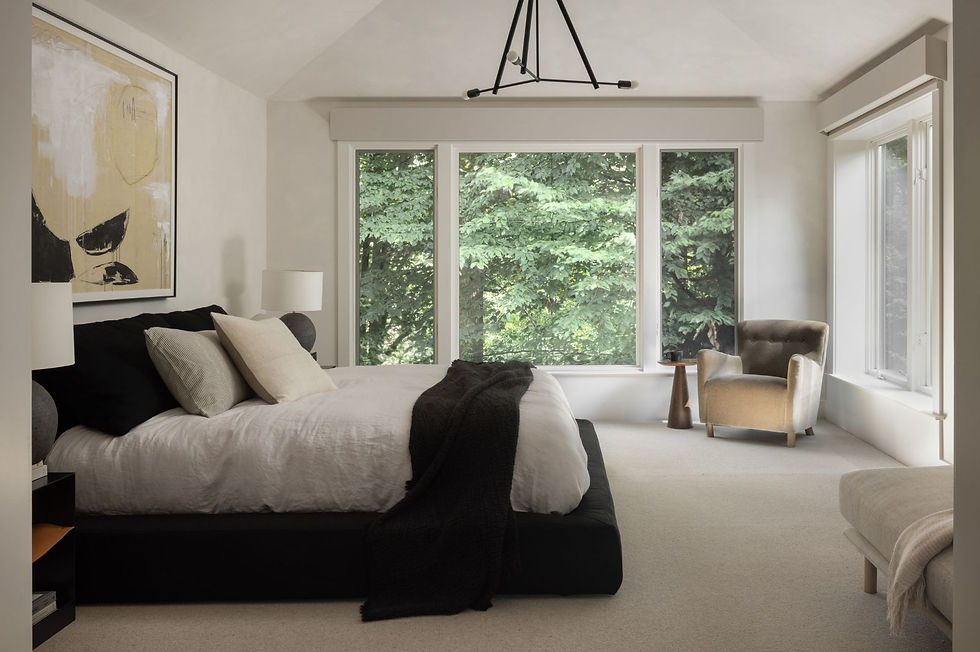
Two homes of the same size can cost meaningfully different amounts to renovate. A few factors explain most of the difference:
Structural scope. Cosmetic and systems updates cost far less than moving walls, reworking floor plans, or adding square footage. Most full home renovations involve some of both, and the balance matters more than the total square footage.
Historic district requirements. Homes in Georgetown, Capitol Hill, Cleveland Park, and other historic districts often require additional design work, documentation, and review board approval before construction can begin. This adds time and design fees, and it can influence material choices, particularly for anything visible from the street.
Custom Furniture and quality finishes. Custom millwork, natural stone, imported tile, and high-end fixtures cost more than their standard equivalents, and the gap widens quickly at the top end. This is usually the single biggest lever within your control.
Home age and condition. Older DC homes frequently need updated electrical, plumbing, HVAC, and structural reinforcement that isn't visible until walls come down. Homes built before the 1940s, common throughout DC's older neighborhoods, tend to carry more of this hidden cost than newer construction.
Site conditions. Narrow rowhouse lots, limited access, and tight urban sites can add cost simply due to logistics, staging, and how materials and equipment move in and out of the property.
Cost by Home Type
To make this more concrete, here's roughly how these tiers map to common DC home types:
Rowhouses (Capitol Hill, Georgetown, Cleveland Park): Typically fall in the $1.8M–$2.5M range for a full interior renovation. Narrow footprints and historic facades keep exterior work more contained, but interior layouts often require significant structural rework to feel modern.
Mid-size single-family homes (Kalorama, Chevy Chase, Palisades): Usually land between $2.2M and $2.8M, depending on whether the project includes an addition or major structural changes.
Larger colonials and estate-scale homes (Chevy Chase, Bethesda, Wesley Heights, Bethesda): Frequently reach $2.8M to $3.5M or more, particularly when the scope includes a significant addition, extensive millwork, or complex historic detailing.
These are directional, not exact. The right way to know your actual number is a real conversation about your specific home.
What's Included, and What Isn't, in These Estimates

These ranges cover design fees, construction, project management, standard finishes at a high-end level, and furnishings. They typically do not include art, which we're happy to help source separately with the support of a trusted art advisor.
They also don't include the cost of land use or zoning issues beyond standard historic review, or major landscape and exterior hardscape work, which we can bring in as a separate phase if it's part of your vision.
Why Full Home Renovations in DC Often Cost More Than People Expect
Homeowners moving from a different city (with the exception of NYC or SF), or renovating for the first time, are frequently surprised by DC pricing relative to other markets. There's a real reason for that. Historic district approvals add real time and design cost. Older housing stock almost always has more hidden work behind the walls than people expect. And DC's combination of tight urban lots and higher labor and material costs pushes numbers up compared to markets with more room to build and fewer regulatory layers.
None of that is a reason to avoid renovating an older DC home. It's the reason to work with a team that has done it enough times to price it accurately from the start, rather than discovering the real cost in the middle of construction.
Common Questions About Renovation Costs
Q: Does this include design fees, or just construction?
Both. Our estimates reflect the full scope of design and construction together. Design typically represents 20 to 30 percent of the overall project budget, depending on the complexity of the home and the level of customization involved.
Q: How much should I budget for contingency?
We typically recommend planning for a contingency on top of your construction budget, particularly for homes built before the 1940s, where unexpected conditions behind walls or under floors are common.
Q: Do historic homes always cost more to renovate than newer construction?
Usually, yes, though not always dramatically. The added cost typically comes from historic review requirements and age-related systems work, not from the renovation itself being fundamentally different.
Q: Can I do a full home renovation in phases to spread out the cost?
In some cases, yes. It depends on the scope and your home's specific needs. We can walk through whether phasing makes sense for your project during an in-home consultation.
If you’re looking to work with us on your home renovation, we'd absolutely love to meet you and hear more about your project. Please inquire here and our team will respond within two business days to set up an introductory call.